Illinois Ranks Among States With Higher Foreclosure Activity — What It Means for Chicago Homeowners
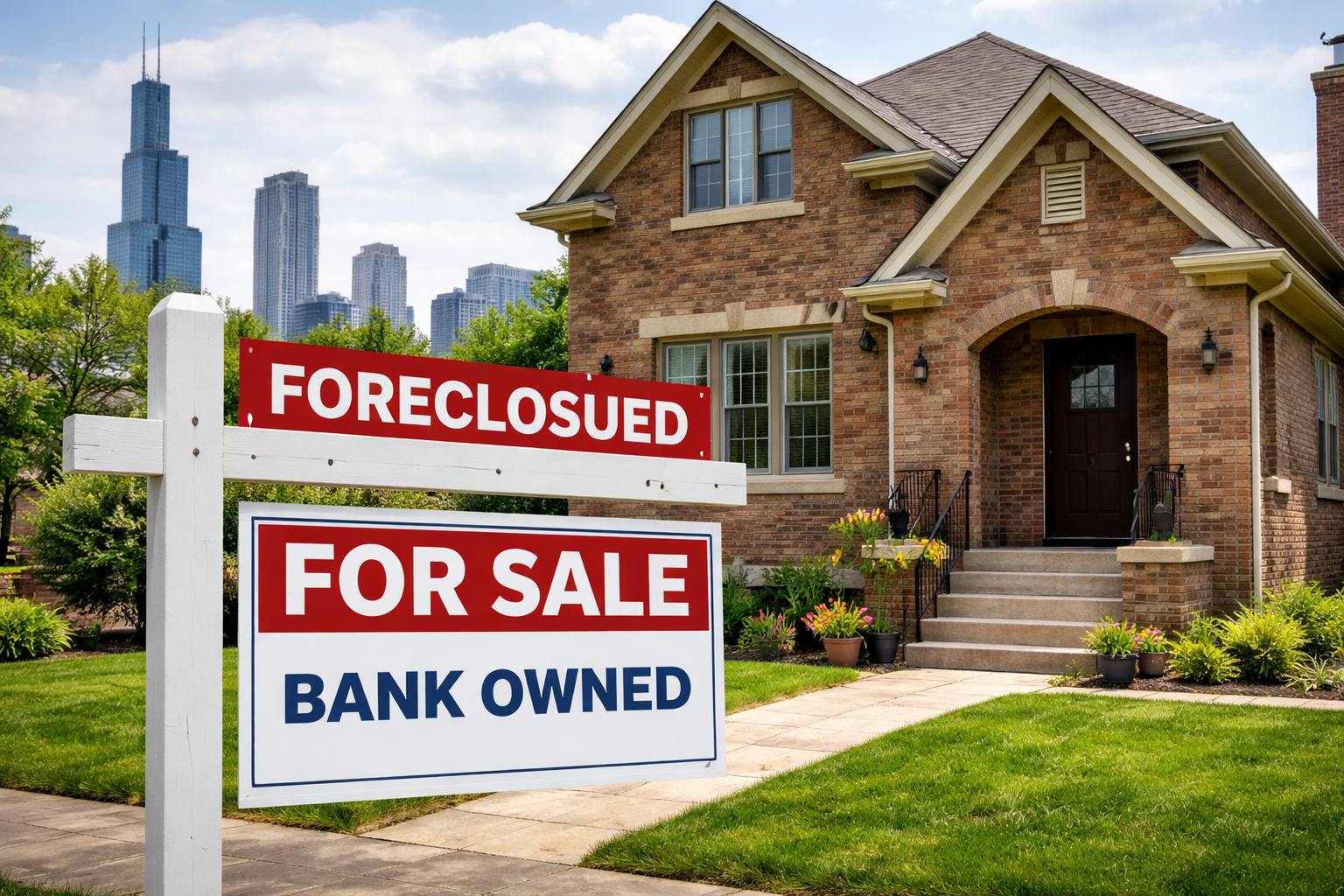
Foreclosure activity continued to rise nationwide last year, but the overall picture remains far less severe than past housing downturns. According to year-end data from ATTOM, foreclosure filings were reported on 367,460 U.S. properties in 2025, a 14% increase from 2024. Even with that rise, foreclosure activity is still 25% lower than 2019 levels, before the pandemic reshaped the housing market.
That’s an important distinction. While foreclosures are ticking up, today’s market looks very different from the housing crisis years. Mortgage defaults remain relatively low by historical standards, and most homeowners continue to hold significant equity in their properties.
Where Illinois Stands
Illinois ranked among the states with higher foreclosure rates last year, with filings reported on 0.40% of residential properties statewide. Florida led the nation at 0.44%, followed closely by Delaware (0.42%) and South Carolina (0.41%).
For Chicago homeowners, this doesn’t signal a wave of distress — but it does reflect ongoing financial pressure tied to higher interest rates, inflation, and rising living costs. Adjustable-rate mortgages resetting, increased property taxes, and insurance costs are all contributing factors for some households.
What This Means for the Chicago Housing Market
Despite Illinois’ ranking, foreclosure levels remain well below pre-pandemic norms, and Chicago’s market continues to be supported by limited housing inventory and steady demand. Many homeowners still have options long before foreclosure becomes inevitable, including loan modifications, selling with equity, or refinancing if conditions improve.
For buyers, foreclosure activity may create isolated opportunities, but this is not a distressed market across the board. For homeowners, the key takeaway is that early action matters — especially if financial strain is starting to build.
Bottom line: Foreclosures are rising modestly, but today’s housing market — in Chicago and across Illinois — is far more stable than it was heading into past downturns. This is a market defined by caution, not collapse.
Recent Posts